Leptosperin DHA & HMF: The Other Numbers on a Manuka Certificate

Leptosperin confirms genuine Manuka origin, tested alongside MGO under UMF certification. DHA is the precursor that converts into MGO as honey matures. HMF is the one certificate number where lower is better, since it signals heat or age exposure rather than potency. Leptosperin: The Origin-Proof Marker Leptosperin is what UMF testing checks alongside MGO to … Read more

KFactor Explained: What Wedderspoon’s System Does & Doesn’t Prove

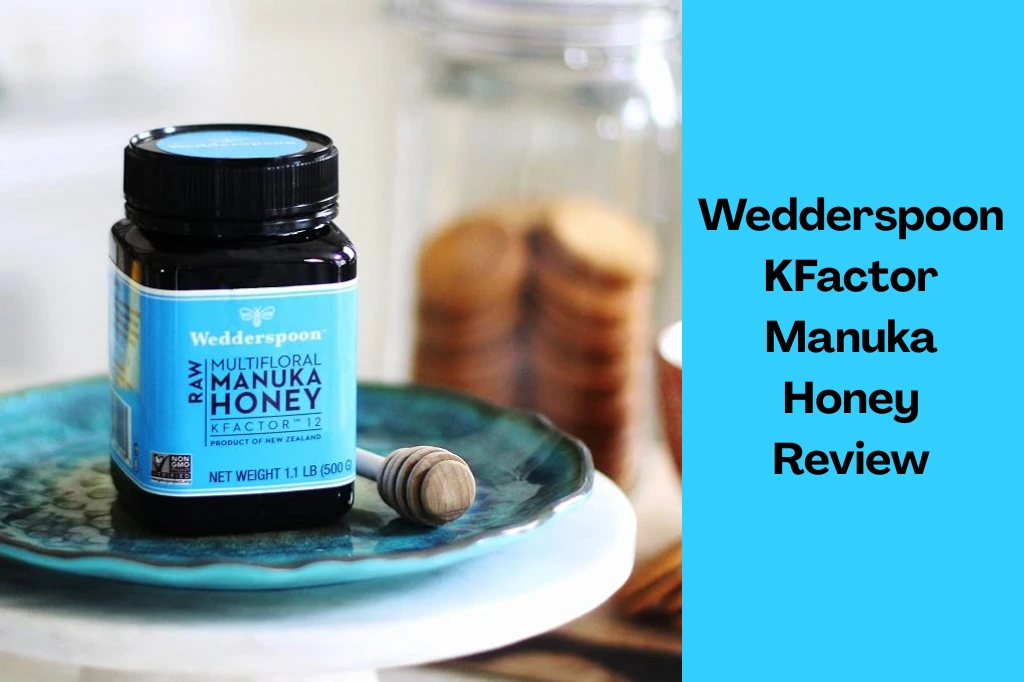
KFactor is Wedderspoon’s proprietary grading system, based on Manuka pollen count, not methylglyoxal or leptosperin. It measures botanical purity, not antibacterial potency, so a KFactor number can’t convert to a UMF or MGO equivalent the way those two systems convert to each other. What KFactor Actually Measures KFactor is a pollen-count test. It measures what … Read more

Manuka Honey in Bulletproof and Butter Coffee: Does Fat Protect MGO?

Adding Manuka honey to bulletproof or butter coffee can improve the drink’s flavor, but butter and MCT oil have not been shown to protect the honey’s methylglyoxal (MGO) from heat. The better-supported variables are temperature, exposure time, dilution, and the honey’s composition—not whether the coffee contains fat. However, no direct study has established exactly how … Read more

UMF Rating Explained (5+ to 24+)

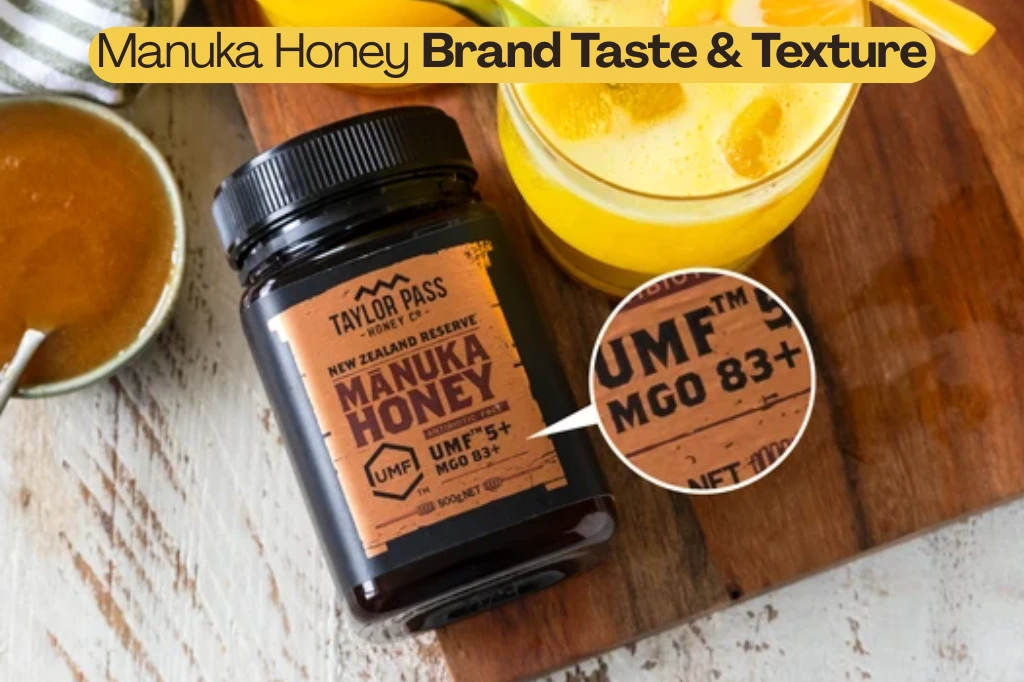
UMF (Unique Manuka Factor) grades Manuka honey using four markers: methylglyoxal, leptosperin, DHA, and HMF. Each tier from 5+ up guarantees a minimum methylglyoxal level, confirmed through a real UMFHA license. For daily use, UMF 10+ is the common floor, higher tiers cost more without most buyers tasting the difference. What Does UMF Actually Measure? … Read more

MGO Rating Explained (+ UMF/MGO Conversion Table)

MGO (methylglyoxal) is the compound Manuka honey is graded on when a jar skips UMF certification and lists a raw number instead, common tiers run 100+ to 829+. MGO 263+ tracks close to UMF 10+, though the two systems test differently. Below, a retail-verified conversion table lines them up side by side. What Is MGO … Read more

Does Adding Manuka Honey to Hot Coffee Destroy It? Temperature & Timing

The often-repeated 40°C figure for honey heat sensitivity mainly relates to heat-sensitive enzymes, not to methylglyoxal (MGO), the compound associated with Manuka honey’s UMF and MGO ratings. A Manuka-honey heating study found MGO relatively stable during 10-minute treatments up to 90°C, while higher temperatures and longer exposure caused greater reductions. That does not establish a … Read more

What Is Manuka Honey? Grading, Origin & Verification Basics

Manuka honey is a monofloral honey made from the nectar of the Manuka tree, native to New Zealand and parts of Australia. It’s valued for its methylglyoxal (MGO) content, graded by systems like UMF and MGO, and genuine jars can be verified through a UMFHA license number check. Where Manuka Honey Comes From Manuka honey … Read more

How We Test Manuka Honey: Our 5-Step Verification Method

When you see “verified UMF 15+” on a review here, that number came from an actual process, not a guess off the label. I buy the jar myself, check the paperwork, cross-check the license, taste it, and run the numbers. Here’s exactly how that works, step by step. What “Tested” Actually Means Here “Tested” means … Read more

Why is Manuka Honey So Expensive?

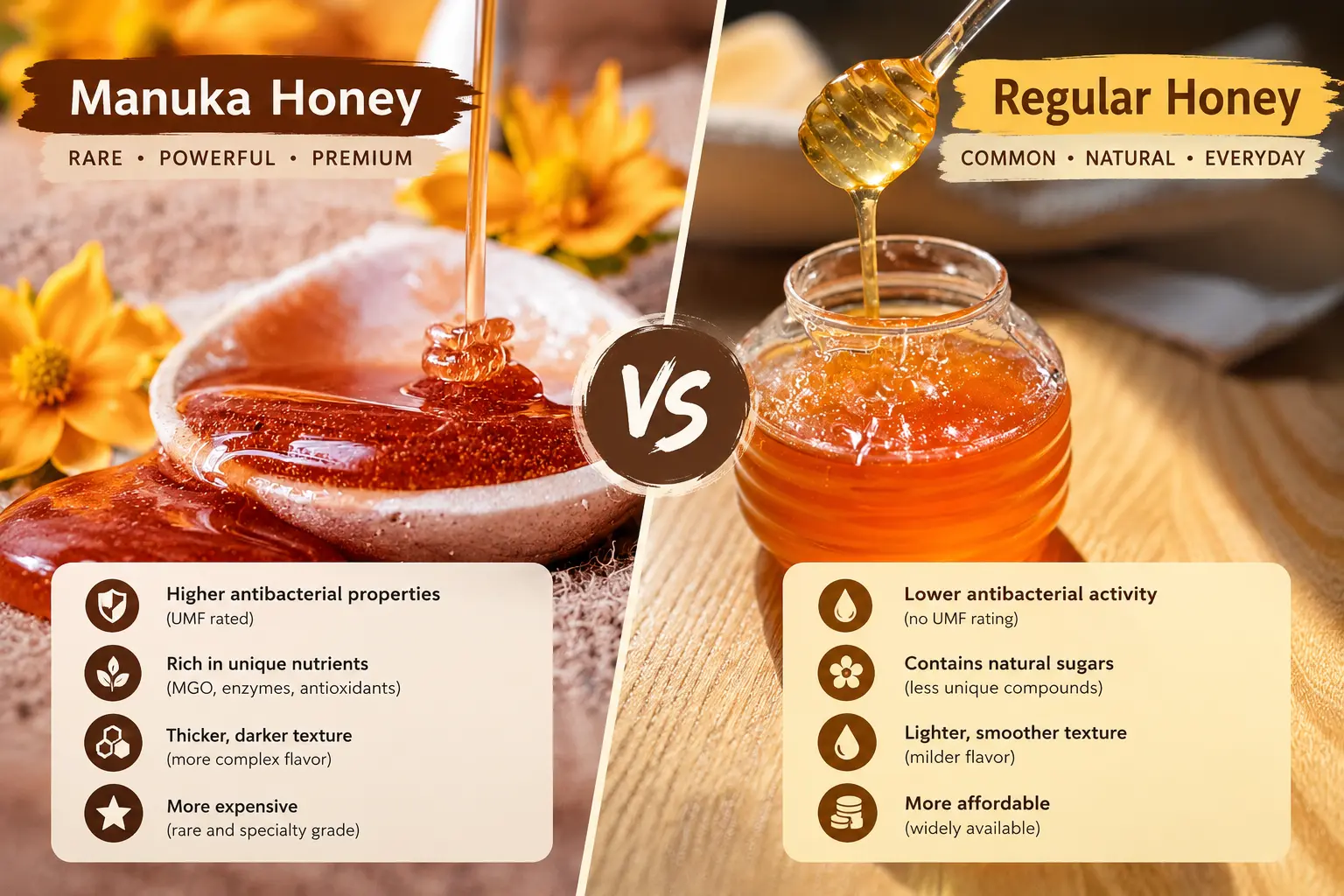
We are all aware of the umpteen advantages and health benefits of honey but do you also know the best honey there is? If you thought of Manuka honey, then you are absolutely right. Boasting of a delicious taste and packed with a plethora of medicinal qualities, Manuka honey has a quality and flavor profile … Read more