
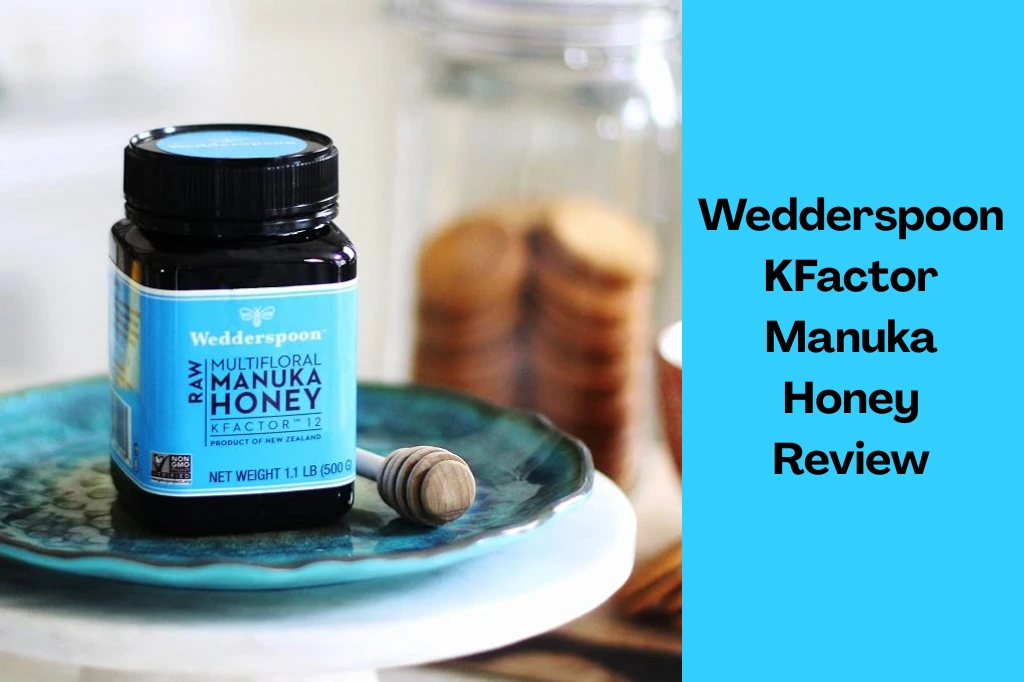
Wedderspoon’s KFactor system is a real, MPI-adjacent purity check, but it’s not a potency measurement, and it doesn’t matter how “16” sounds next to another brand’s “UMF 16,” they aren’t the same kind of number. There’s also a bigger development worth knowing before buying: Wedderspoon is actively phasing KFactor out in favor of MGO labeling, so the jar you find on shelves might already look different from what this review describes.
What I Bought and Why
The plan for this review is to buy Wedderspoon’s two core grades, KFactor 12 (multifloral) and KFactor 16 (monofloral), at retail, specifically because Wedderspoon’s labeling looks different from UMF- and MGO-labeled competitors and that difference is worth explaining honestly rather than dismissing outright. Our full verification methodology covers how a review like this should actually be documented once the purchase happens.
The Two Grades: KFactor 12 vs KFactor 16 (and a Third That No Longer Exists)
Wedderspoon currently sells two KFactor grades: KFactor 12, multifloral, guaranteeing at least 65% Manuka pollen content, and KFactor 16, monofloral, guaranteeing above 75%. If you’ve seen a reference to “KFactor 22” anywhere, that’s outdated, KFactor originally had three levels, 12, 16, and 22, and Wedderspoon has since simplified the system down to the two grades above. Treat any current mention of a KFactor 22 product as stale information, not something you can actually buy.
Wedderspoon Is Moving Away From KFactor Entirely
This is worth knowing before anything else in this review: Wedderspoon’s own site currently states it’s “transitioning from KFactor to the globally recognized MGO standard.” Specifically, the brand says KFactor 16 is changing over to an MGO 150+ label, describing it as “the same honey, same quality, and same source, just with clearer strength labeling.” Wedderspoon’s own guarantee, raw, unpasteurized, Non-GMO Project Verified, sourced and packed in New Zealand, free of antibiotics, glyphosate, and pesticides, stays the same either way, according to the brand.
That means the review below may already be describing a labeling system in the process of disappearing.

What KFactor Actually Proves (and Doesn’t)
KFactor is built around five factors Wedderspoon itself defines: traceability from hive to home, raw and unpasteurized honey, non-GMO certification, production and packaging in New Zealand, and freedom from antibiotics, glyphosate, and pesticides. That’s a real, meaningful checklist, but it’s Wedderspoon’s own proprietary list, not the same thing as New Zealand’s actual MPI legal definition of Manuka honey, which is a separate, government-run test built around four specific chemical markers and one DNA marker. Some third-party sources describe KFactor as “following MPI regulations” via its own “five key factors,” that phrasing conflates two genuinely different five-point systems, and this review isn’t repeating that claim as accurate.
What KFactor 12 and 16 do confirm, based on Wedderspoon’s own testing standard, is pollen-based botanical origin, whether the honey is multifloral or monofloral Manuka under MPI’s actual origin definition. What it doesn’t confirm is antibacterial potency, KFactor doesn’t measure methylglyoxal, leptosperin, or HMF the way UMF or MGO labeling does. “Is this real Manuka” and “how potent is this Manuka” are two different questions, and Wedderspoon’s KFactor label, at least as currently structured, only answers the first one directly.
Taste and Texture
The honey is thick, creamy, and smooth—nothing like the thin, sticky syrup you get at the grocery store. On the tongue, it feels rich and velvety, coating lightly without leaving a heavy residue.
Flavor-wise, it opens with clean floral sweetness, then settles into a mild earthy note with a faint caramel-like finish. It’s sweet but not cloying, and the aftertaste is pleasant—slightly tangy, never bitter.
In hot tea, it dissolves cleanly and adds body. On toast, it spreads evenly without dripping. Straight off the spoon, it’s enjoyable enough to eat by itself.
Verified buyers echo the same points: “great, unlike any other honey,” “a cut above regular honey,” and “creamy texture with bold Manuka taste.
Price and Value
Wedderspoon’s KFactor 16 (8.8oz) has been listed around $23.99 directly on the brand’s site, with one dated third-party review citing it found as low as $16.46 elsewhere. KFactor 12 has been cited around $14.99 for the same size. If those prices hold up, Wedderspoon is meaningfully cheaper than a comparable UMF- or MGO-graded jar from Comvita or Manukora, which is a real part of its appeal, not just a lack of certification.
The Verdict: Is Wedderspoon a Defensible Buy?
Wedderspoon’s KFactor system is real and MPI-adjacent for origin purposes, not a fake or lesser product, it’s just answering a narrower question than a UMF or MGO label does, and it’s currently in the process of being replaced by MGO labeling anyway. Once an actual jar is purchased and tasted, this section needs to state plainly whether the price and origin verification make sense for a specific use case, an affordable, genuinely-sourced honey for someone who doesn’t need documented potency, versus a poor fit for someone specifically buying for a verified antibacterial grade. See how Wedderspoon ranks against every brand we’ve tested if you’re deciding between brands rather than just this one.
FAQ
Is Wedderspoon considered legitimate Manuka honey?
Yes, its KFactor grades are tied to New Zealand’s actual MPI standard for monofloral and multifloral Manuka origin, that’s a real, checkable government-level distinction, not a marketing invention. It just isn’t the same thing as a UMF or MGO potency claim, which Wedderspoon’s labels don’t currently make.
How does it compare to a UMF-graded brand?
The two labels are answering different questions, KFactor confirms botanical origin via pollen count, while a UMF-graded brand’s certification verifies methylglyoxal and authentication markers directly. That comparison page doesn’t feature Wedderspoon specifically, but it shows what a UMF label is actually confirming that KFactor doesn’t.
Would I buy Wedderspoon again?
That depends on an actual purchase and tasting that hasn’t happened yet. Once it does, this section should state plainly whether the price-to-transparency tradeoff held up for the specific jar tested, and note whether it was still labeled KFactor or had already switched to Wedderspoon’s new MGO figure.