
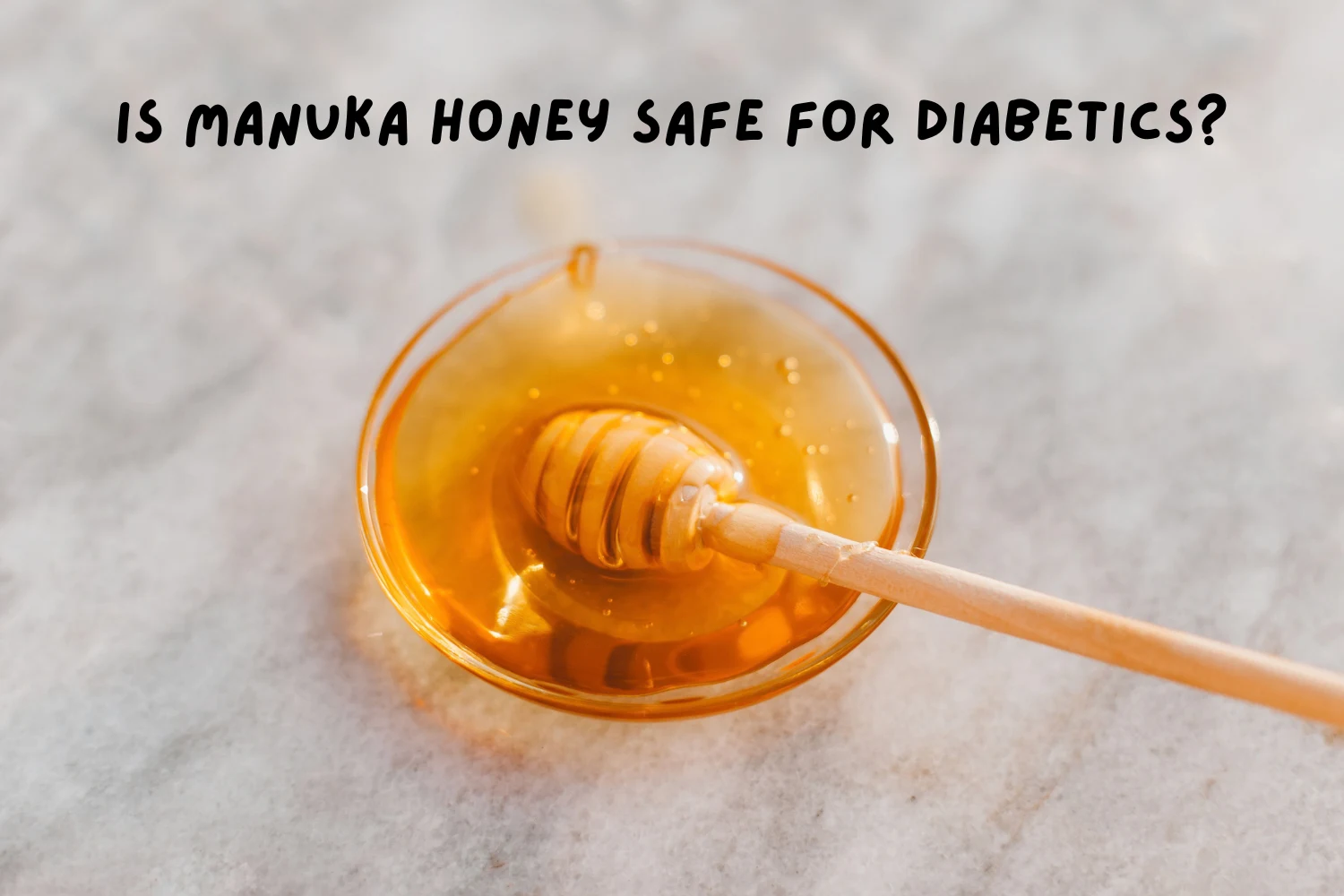
Manuka honey is still honey, it contains sugar and carbohydrate, and a higher UMF or MGO grade does not make it a low-glycemic or diabetes-specific food. In a small study, Manuka honey samples had GI values of 54 to 59, but GI varies and does not replace portion-aware carbohydrate counting. People with diabetes who choose to use honey should count it within their overall meal plan and discuss meaningful dietary changes with their diabetes care team. This is safety context only, not personal medical clearance.
The Glycemic Index Range
The most directly relevant figure comes from a small 2013 study (Chepulis and Francis, e-SPEN Journal), which tested five high-methylglyoxal Manuka honey samples from different New Zealand locations in 10 healthy volunteers, using a single-blinded, randomized protocol. The reported glycemic index values ranged from 54 to 59, a moderate GI category. That places the tested samples in a moderate range, but GI varies with honey composition, testing method, and the person consuming it, and this was a small study in healthy volunteers, not people with diabetes specifically.
It’s worth distinguishing GI from glycemic load. GI describes the blood-glucose response to a food containing a standardized amount of available carbohydrate, typically 50 grams, not simply “how fast” a food raises blood sugar. Glycemic load combines GI with the actual carbohydrate in the portion eaten. A tablespoon of honey has roughly 17 grams of carbohydrate, so using the 54 to 59 GI range above, the estimated glycemic load works out to roughly 9 to 10, generally considered a moderate glycemic load. Treat that as an estimate, not an individualized prediction of your own blood-glucose response, and lean on total carbohydrate counting as the more broadly useful tool than any single GI number.
Does Manuka’s MGO Change Anything?
Methylglyoxal is a Manuka grading measure, and it’s not what determines the carbohydrate or sugar content on a Nutrition Facts label. A higher UMF or MGO grade does not make honey a low-carbohydrate food, and shouldn’t be treated as a blood-sugar-management benefit. Compare the actual Nutrition Facts panel for the specific product you’re looking at rather than assuming a higher grade lowers blood-glucose impact, carbohydrate content can be similar by label across grades, but GI itself hasn’t been directly tested across different UMF or MGO grades of the same honey.
What the ADA Actually Says
ADA materials identify honey as an added sugar when it is added during processing or preparation, alongside table sugar, syrups, agave, and corn syrup. The ADA also advises people who count carbohydrates to use the total-carbohydrate figure on the Nutrition Facts label.
Being natural or minimally processed does not make honey carbohydrate-free or exempt it from blood-glucose management. Its real-world effect can still vary with portion size, the rest of the meal, and the individual.
One claim worth addressing directly: a “one tablespoon for women, two tablespoons for men” honey rule appears in some lower-quality content as though it were official ADA guidance. I could not find that rule in the ADA’s published materials. The ADA does not appear to establish a universal honey-specific serving rule; its guidance instead emphasizes reading labels, limiting added sugars, and counting total carbohydrate.
Serving Context, Not a Prescription
There is no universal Manuka honey serving size for people with diabetes. If someone chooses to use honey, the useful starting point is the product’s own Nutrition Facts panel, counting its total carbohydrate within the meal or snack it’s part of, rather than treating honey as a free food or a diabetes-friendly substitute.
For context, one tablespoon of generic honey contains about 17 grams of carbohydrate and sugar, a teaspoon is roughly a third of that amount. Whether honey fits someone’s eating plan depends on the product’s total carbohydrate per serving, the amount used, the rest of the meal, glucose patterns, and any medication plan, all of which a general article can’t account for on its own.
Talk to Your Care Team First
This page describes glycemic impact and general context only, it is not personal medical clearance. Anyone with diabetes should talk to their doctor, dietitian, or diabetes educator before changing how they eat sugars, including honey, Manuka or otherwise. A general glycemic index number cannot replace guidance based on your own blood sugar patterns, medications, and overall meal plan.
FAQ
Is Manuka honey better than regular honey for diabetics?
Available data don’t show that Manuka honey provides a clear, clinically meaningful glycemic advantage over other honeys. Its MGO content is a grading measure, not a carbohydrate or blood-sugar factor, so choosing Manuka over another honey isn’t established as a glycemic advantage for diabetes management specifically.
Does “natural” mean it’s safer for blood sugar?
No. Honey may be natural, but it still provides carbohydrate and should be counted in a diabetes eating plan the same as any other added sugar, being unrefined doesn’t exempt it from that.
Can I use honey to treat low blood sugar?
Follow the hypoglycemia plan provided by your own diabetes care team. In general, low blood sugar is treated with a measured source of fast-acting carbohydrate, commonly 15 to 20 grams, followed by rechecking blood glucose after about 15 minutes. Honey contains carbohydrate, but glucose tablets, glucose gel, or a measured amount of juice can be easier to dose consistently than honey. If someone is unconscious, having a seizure, or unable to swallow safely, don’t give food or drink by mouth, seek emergency help and use prescribed glucagon if available.
Our full evidence-graded health hub and general guidance on how much people typically take cover related context, and how our health content is reviewed explains this site’s overall approach, though none of these substitute for your own care team’s guidance.