
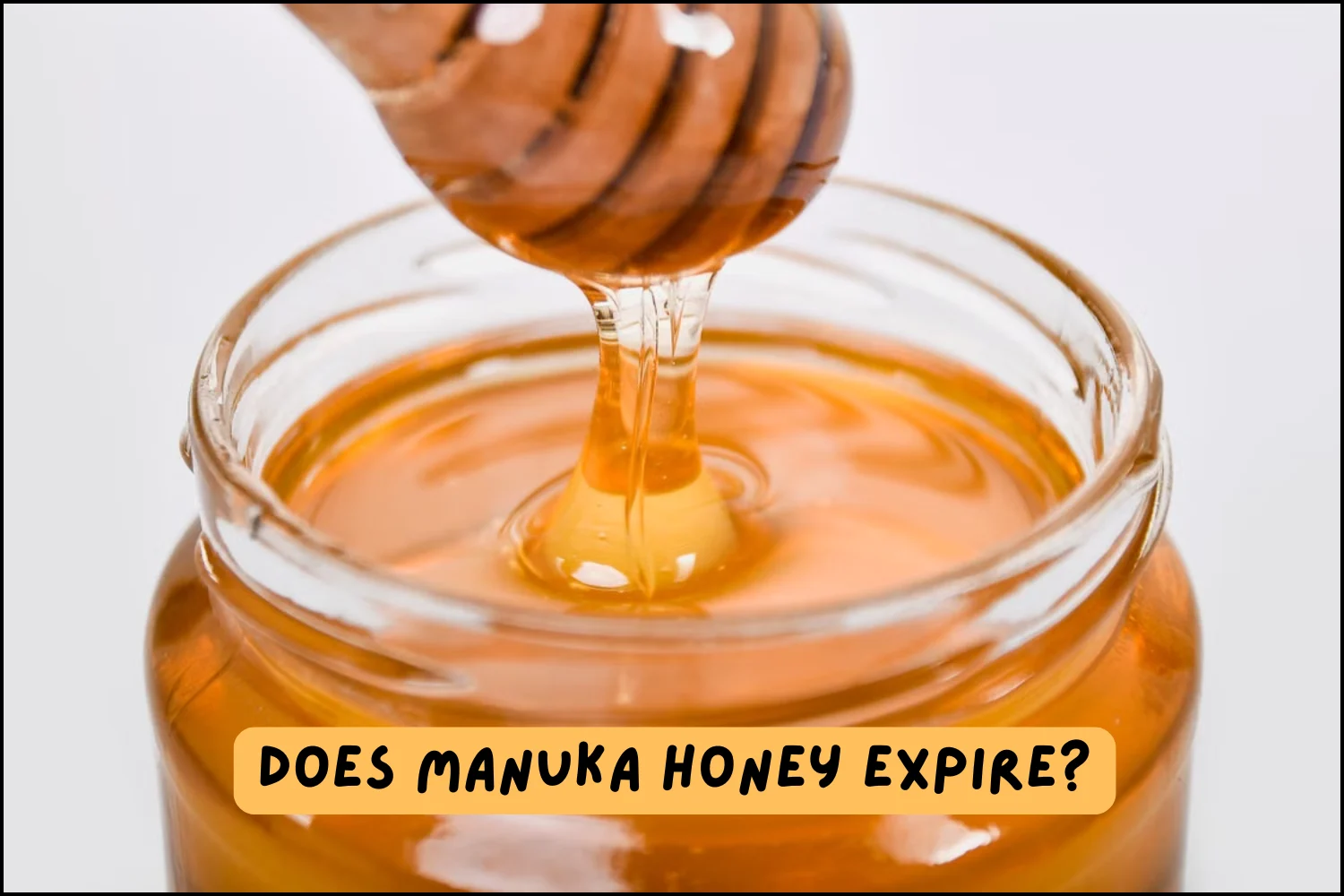
Manuka honey almost never truly spoils, thanks to its low water content and acidity. The printed date is a quality guideline, not a safety cutoff, and real spoilage is rare, with specific, checkable signs that have nothing to do with crystallization or age.
Bottom line: Manuka honey doesn’t really “expire” in the safety sense. You toss it only if you see clear spoilage signs, not because a date passed or it crystallized.
- Best-by dates mean quality, not safety
- Crystallization, darkening, and mild aroma changes are normal aging
- Real spoilage signs are a sour or alcohol smell, foaming or bubbling, or visible mold
- Moisture getting in, a wet spoon or a poor seal, is the main thing that actually causes spoilage
What the Best-By Date Actually Means
A best-by date is a quality and inventory marker, not a safety deadline. In the US, federal guidance on date labeling treats “best by” and “best if used by” dates this way, USDA’s Food Safety and Inspection Service and the FDA both emphasize that, except for infant formula, these dates indicate peak flavor and quality, not a point where a product becomes unsafe. FSIS itself regulates meat, poultry, and egg products specifically, honey falls under the FDA, but the underlying date-labeling principle is the same one applied across foods generally, honey included.
A sealed jar kept reasonably well past that date is very likely still both safe and good. That doesn’t mean the date is meaningless, it’s a real, useful guideline for quality, just not the safety cutoff a lot of people assume it is.
What’s Normal Aging, Not Spoilage
This is the mix-up that sends most people searching this question in the first place. Crystallization, a grainy, cloudy, or solid texture, is normal aging, not spoilage, and it happens to genuine, good honey. Gradual darkening and a subtle shift in aroma over time are also normal, not signs anything’s wrong.
None of these mean the honey has gone bad. Why Manuka honey crystallizes and how to soften it safely covers that specific process in full, this page is just here to say plainly that seeing it is not a reason to worry.
The Real Signs of Spoilage
Real spoilage is rare, and it’s caused almost exclusively by one specific thing: moisture getting into the jar and raising the water content enough for naturally present yeast to activate. Industry guidance summarized by the National Honey Board notes that honey below roughly 17.1% moisture is unlikely to ferment within a year regardless of yeast count, while honey above about 19% moisture can ferment within a year even with a fairly low yeast count. A wet spoon or a poorly sealed lid are the most common ways that moisture actually gets in.
The actual signs to look for, stated plainly:
- A sour or alcohol-like smell. This is the clearest sign something has actually fermented.
- Foaming or bubbling on the surface. A visible, active sign of fermentation in progress.
- Visible mold. Rare, but unmistakable when it happens.
None of these look like crystallization, darkening, or a passed date. If you’re not seeing one of these three specific things, you’re not looking at spoilage.
Does Potency Change Over Time?
This is a separate question from safety, and it’s worth keeping the two apart. DHA, the precursor compound in Manuka nectar, keeps converting into MGO for a while after bottling, so a jar’s MGO can actually rise for the first year or two of its life before it plateaus. Studies and industry guidance describe the same general shape: as DHA is depleted, MGO levels level off and may gradually decline over longer timelines, especially with heat exposure. None of this is a safety question, it’s about potency drift over years, not whether the honey is safe to eat.
HMF (hydroxymethylfurfural), the marker that reflects heat and age exposure on a batch certificate, tends to rise gradually over time as well, and more quickly at higher storage temperatures. A jar can have a lower MGO reading than its original certified number and still be perfectly safe to eat, potency drifting down over years and the honey actually going bad are not the same thing.
When to Actually Toss a Jar
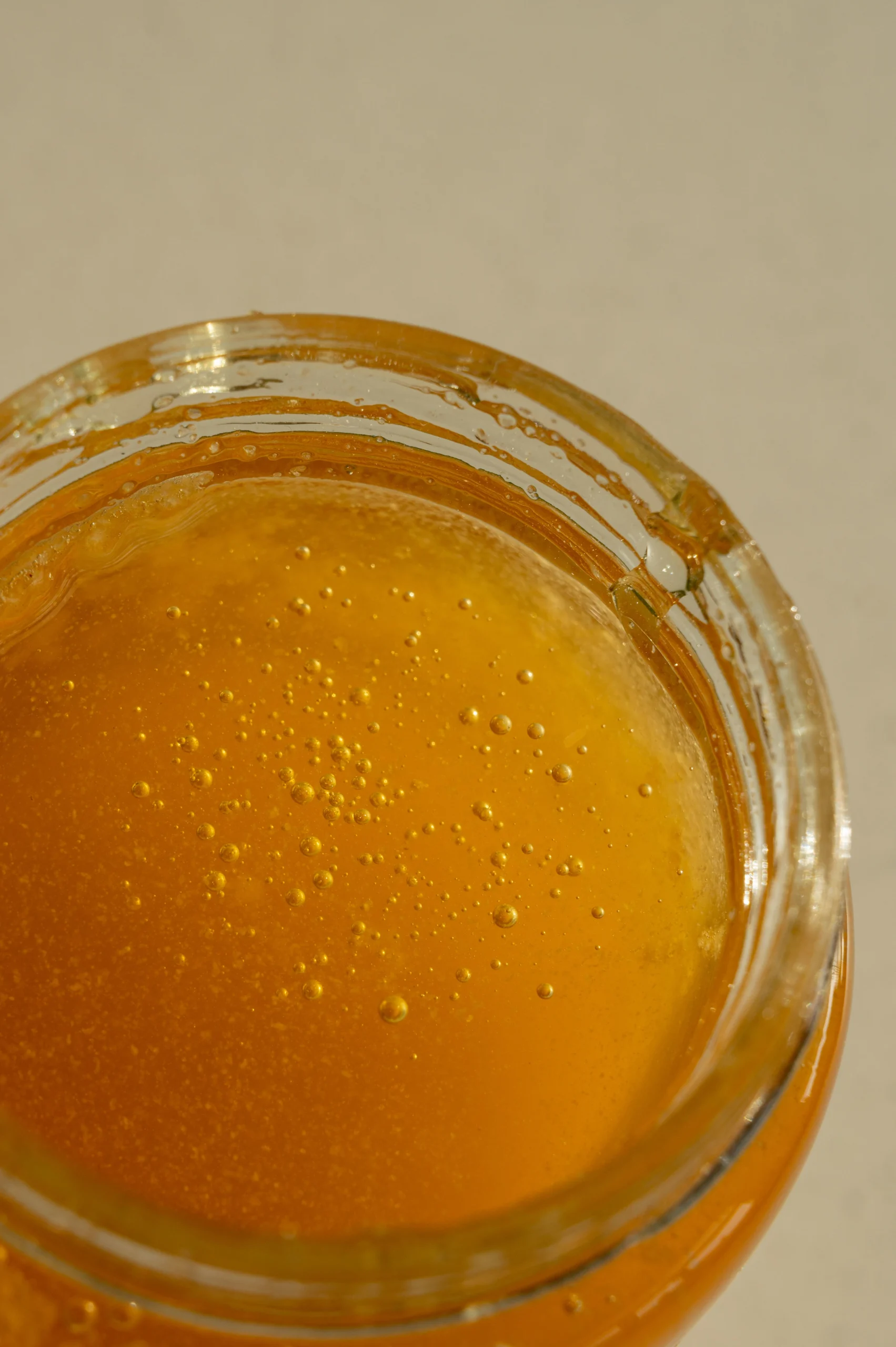
Rarely. Age alone, crystallization, darkening, and a passed best-by date are not reasons to toss a jar. The only real reasons are the specific spoilage signs above, a sour or alcohol smell, active foaming, or visible mold.
Rule of thumb: if it doesn’t smell sour or alcoholic, isn’t foaming or bubbling, and shows no mold, it’s almost certainly fine to eat regardless of age or crystallization.
Storing it well in the first place is what actually prevents this from ever becoming a question. Our full guide to storing it properly covers exactly how, and if you’re weighing whether a bigger jar or a subscription will still hold up by the time you finish it, that question is covered here too.
FAQ
Does opening the jar make it go bad faster?
Not by itself. What actually matters is whether you’re introducing moisture, a wet spoon or letting condensation drip in, since that’s the specific thing that raises fermentation risk. Opening and closing a jar with a clean, dry spoon doesn’t meaningfully change anything.
Can I still use honey that’s crystallized and years old?
Yes, crystallization and age are not spoilage on their own. As long as you’re not seeing the actual spoilage signs, a sour smell, foaming, or mold, a crystallized, older jar is very likely still perfectly good to eat.
Is a lower MGO reading on an old jar a sign it’s spoiled?
No, those are two separate questions. MGO can gradually decline over a long enough timeline without the honey being unsafe in any way; a jar can genuinely test lower than its original label and still be completely fine to eat.