
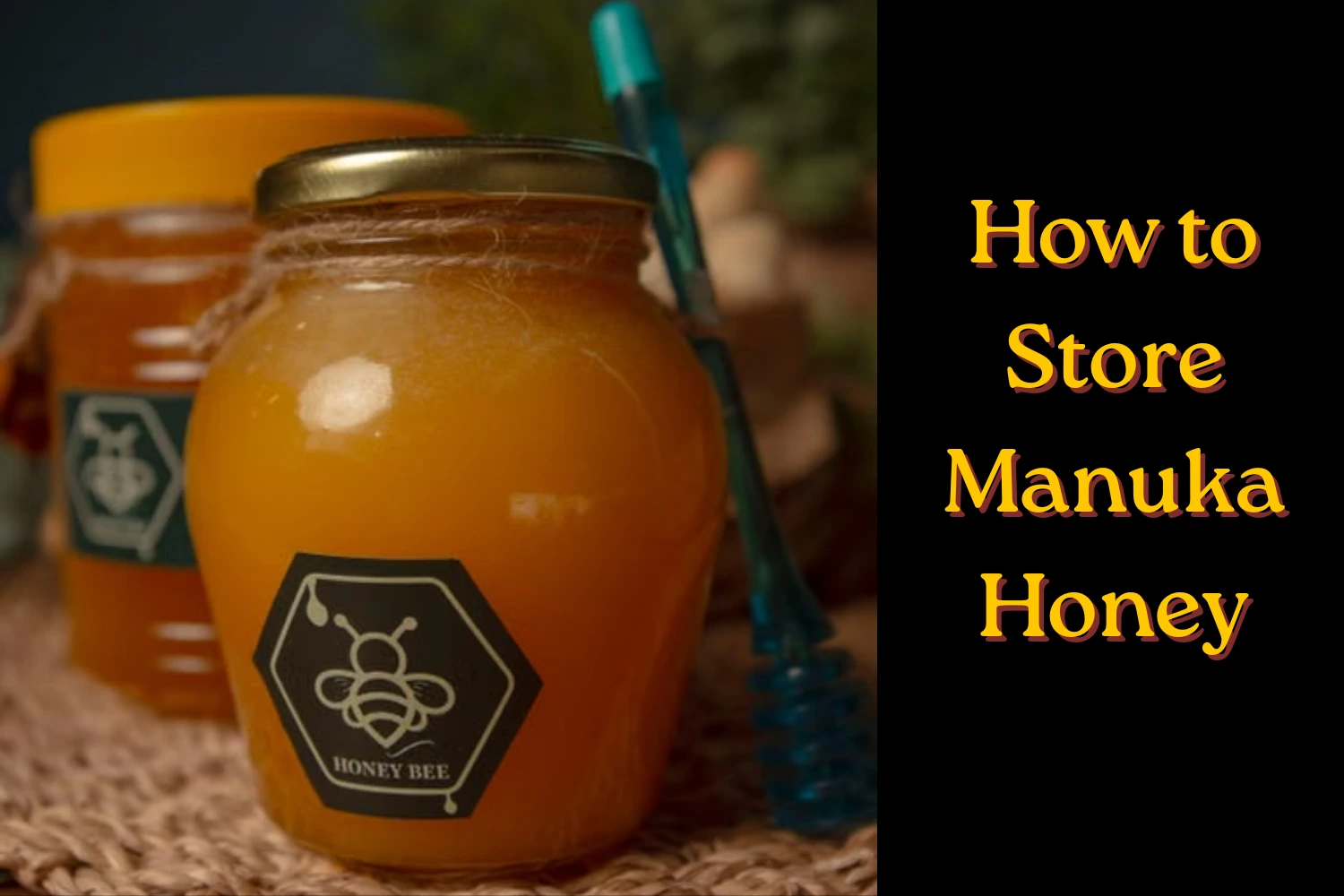
Store Manuka honey in a sealed jar at cool room temperature, in a dark cupboard away from the stove and oven. Heat, not time, is what primarily reduces MGO and raises HMF, so a sealed jar kept out of the heat will hold its potency for years without needing the fridge.
At a glance: sealed lid, cool room temperature (around 20°C / 68°F), dark cupboard, away from the stove, oven, direct sun, and hot cars, and a clean, dry spoon. No need to refrigerate.
The Short Rules
- Keep it sealed. A tight lid limits both moisture getting in and the honey drying out.
- Keep it cool. Room temperature is fine, heat is the real threat, not a mild temperature swing.
- Keep it away from the stove and oven. That’s the one spot in most kitchens that regularly gets hot enough to matter.
- Use a clean, dry spoon. Introducing water or food residue is a contamination risk, not a potency one, but it’s still worth avoiding.
- Don’t leave it in a hot car. A car in the sun can reach temperatures well above anything a kitchen cupboard sees.
Why Heat Matters More Than Time
This is where the actual research matters, and it’s worth being precise about what’s independent science and what’s a brand’s own claim.
The independent part comes from a peer-reviewed series by Grainger, Manley-Harris, Lane, and Field, published in Food Chemistry between 2016 and 2017, studying Manuka honey stored across a range from 4°C (39°F) to 37°C (99°F). DHA, the precursor compound in Manuka nectar, converts into MGO as honey matures. Their work found that higher storage temperatures sped up the initial rate of that conversion. Lower temperatures actually gave a better overall conversion efficiency, meaning more of the DHA ended up as usable MGO rather than lost to side reactions. At 37°C, more MGO was lost at later time points in Manuka honey than in DHA-doped clover honey used as a comparison in the same study, suggesting that higher storage temperatures eventually favor MGO breaking down, not just forming.
The same research series also studied HMF, a marker that forms in any honey during storage. Its formation rate depends on temperature, which is exactly why a high HMF reading on a batch certificate reads as heat exposure rather than just age.
Producers typically let Manuka honey mature for an extended period before bottling, during which DHA naturally converts to MGO over months. That conversion happens during the honey’s own storage and maturation before it ever reaches you, not something to try replicating at home with added heat.
What “Cool Room Temperature” Actually Means
One producer, Biosota, has published its own testing on this specific question. In its own testing, Biosota reports that MGO and DHA levels stayed essentially constant at 20°C (68°F) over 12 months, while at 23°C and 27°C, additional DHA converted to MGO and both compounds declined somewhat over the same period. This is one brand’s lab result rather than an independent, peer-reviewed study, but it lines up with the broader kinetics work above. Other brands, including New Zealand Honey Co. and Manukora, separately recommend keeping honey below roughly 20°C as a general storage guideline.
Translated into an actual kitchen: a pantry shelf or a cupboard away from appliances works well. The cupboard directly beside the oven, a sunny windowsill, and a hot car are the specific spots to avoid, since those are the places most likely to push well past that range.
Fridge, Freezer, or Pantry?
The fridge is a genuine, honest tradeoff, not a simple yes or no. Cold storage around 4°C keeps MGO and DHA very stable in the kinetics research, so refrigeration won’t hurt potency. What it will likely do is speed up crystallization, turning smooth honey grainy faster, a texture change rather than a potency loss. Multiple producer guides and general honey-storage resources note that cooler temperatures, including the fridge, tend to accelerate crystallization, even without an exact rate for Manuka specifically.
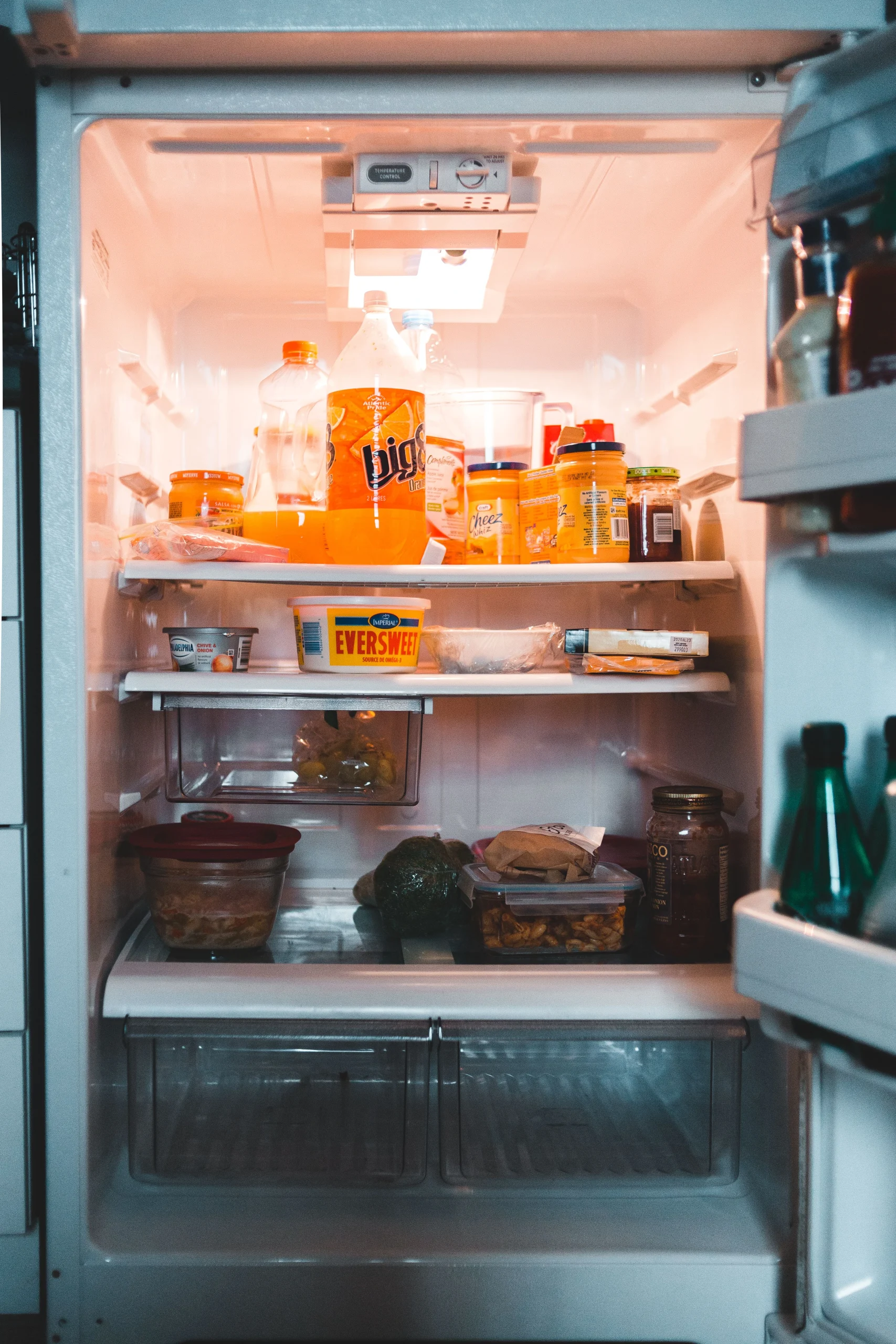
My own jars stay in the pantry, not the fridge, mainly because I don’t want to fight crystallized honey every time I reach for it, more on that below. I don’t have a source on freezer storage specifically, so I’m not making a recommendation on it either way.
Which Container?
I keep mine in the jar it came in, sealed with its original tight-fitting lid. I haven’t found a source showing that glass versus plastic actually changes MGO stability one way or the other, so this is just my own practice, not a potency claim, a sturdy, well-sealing container matters more than the specific material it’s made from.
Light
A dark cupboard is a reasonable, low-cost precaution, and it’s what I’d recommend by default. I want to be direct that I haven’t found Manuka-specific studies showing that light exposure degrades MGO, so recommending a dark cupboard is precaution rather than a proven rule. That said, light and UV are commonly cited as factors that can affect general honey quality, flavor, enzymes, and color, over time, so keeping jars out of direct sun is a sensible habit either way.
Does Time Itself Matter?
Not much, on its own, at a reasonable storage temperature. One brand states its honey is matured for roughly 12 to 24 months before bottling, meaning the jar you actually buy has already gone through most of that long conversion window before it reaches your shelf. A properly stored, sealed jar is reported to hold its rated MGO for years rather than months, with a best-before date reflecting quality expectations more than a hard expiry, honey stored well is often still fine to use beyond that date, even if flavor and texture may shift slightly over time. Whether Manuka honey actually expires covers that specific question in more depth.
If It Crystallizes
Crystals are a texture change, not a sign the honey has gone bad or lost its potency. Why Manuka honey crystallizes and how to soften it safely covers the gentle way to bring it back, that page is the right place for the actual method, not this one.
Big Jars and Subscriptions: Will Potency Hold?
Since heat, not time, is the real driver of loss at a normal room temperature, a bigger jar or a subscription’s worth of honey holds up fine as long as it’s stored properly and you’re using it at a reasonable pace. I don’t treat a 500g jar any differently than a 250g one, same cupboard, same distance from the stove, just a longer runway before I need the next jar. How DHA, HMF, and MGO show up on a label is worth a look if you want to understand what you’re actually protecting by storing it well, and the basics of what Manuka honey is is the place to start if any of these terms are new.
FAQ
Can I warm my jar to boost potency?
No. Some secondary sources claim moderate warmth “helps” potency, but the kinetics research found lower storage temperatures gave better DHA-to-MGO conversion efficiency, with more MGO lost at later times at the higher temperature tested. Warming isn’t a home storage trick worth trying.
Is it fine to leave the jar on the counter?
Generally, yes, as long as the counter isn’t right next to the stove or in direct sun for long stretches. Ordinary counter temperatures fall well within the safe range described above, it’s sustained heat exposure that matters, not simply being out of a cupboard.
Does opening the jar change anything?
Not meaningfully, as long as you keep it sealed between uses and use a clean, dry spoon. Staying away from heat and keeping the lid tight are what actually matter, and a spoonful here and there doesn’t undo either one.