
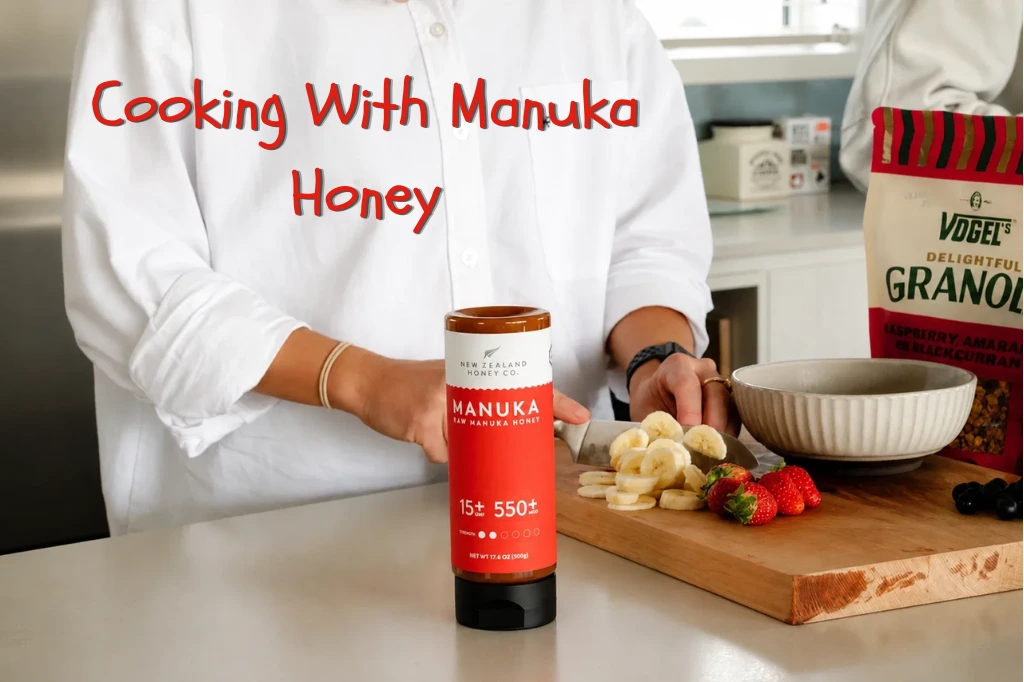
Yes, Manuka honey is worth cooking with, for flavor, not for preserving the potency you paid for. A lower-to-mid grade, UMF 5+ to 10+, makes the most economic sense in the kitchen, since heat reduces MGO well before it changes the taste much. Save a premium grade for raw, direct use where potency actually matters.
Is It Actually Worth Cooking With?
Yes, and I use it in my own kitchen regularly, not just for a blog post. Manuka has a flavor other honeys don’t quite have, that savory, slightly mineral edge holds up in a glaze or a marinade in a way plain wildflower honey doesn’t.
Just don’t cook with it expecting to preserve the grade number on the jar. Once real heat is involved, you’re buying it for what it tastes like, not what it’s certified for, and that’s a completely fine reason to use it, just a different one than why you’d eat it straight off a spoon.
The mistake I see most often is someone buying a single, expensive jar and trying to make it do everything, morning tea, a salad dressing, and a glazed dinner, then feeling like they’re burning through an expensive product too fast. The fix isn’t cooking with it less, it’s not using the same jar for both jobs in the first place.
Which Grade Belongs in the Kitchen
I keep a UMF 5+ to 10+ jar specifically for cooking, and a higher grade for everything else. That’s not me being cheap, it’s just that a premium grade’s extra cost is buying verified potency, and potency isn’t the point once the honey’s in a marinade or a batch of cookies.
This is also the tier where a mislabeled or slightly-off jar matters least. If you’re going to experiment with a new brand or a discount listing, a lower-grade cooking jar is a much lower-stakes way to do it than your good, expensive, straight-off-the-spoon jar.
If you don’t already have Manuka on hand and are buying specifically to cook with, you might not need Manuka at all. A good everyday raw honey covers a lot of the same culinary job without the Manuka price tag, more on that below.
What It Tastes Like by Grade
The flavor shifts as the grade climbs, lighter and sweeter at the low end, richer and more intense higher up, and that shift matters for cooking since a stronger flavor can dominate a delicate dish. Here’s how the flavor actually changes grade by grade, in more detail than makes sense to repeat here.
Does Heat Change It?
Heat and flavor are two separate questions, and it’s worth keeping them separate. High heat measurably reduces MGO, the potency marker, well before it does anything noticeable to the taste, so “does cooking destroy Manuka honey” has two different honest answers depending on which one you actually mean. Here’s what the heat science actually shows, the full mechanism is its own topic.
Manuka vs Regular Raw Honey for Cooking
Once you’re diluting honey into a recipe, the case for paying Manuka prices gets a lot weaker, a good raw honey does most of the same job for a fraction of the cost. The flavor difference is real but subtle once heat and other ingredients are in the mix, and it’s a lot easier to notice in a spoonful of plain honey than in a finished glaze. Here’s whether Manuka is worth it over regular raw honey for everyday use, and our full guide to buying good everyday raw honey if you land on “probably not, for this.”
Pairings and Substitutions
Manuka’s savory edge pairs with more than you’d expect beyond toast and tea. The cheese and charcuterie pairings that actually work go well beyond the obvious, and if you’re swapping it in for sugar in an existing recipe, here are the exact ratios for substituting it for sugar, rather than guessing.
Recipes to Try
Manuka Honey Glazed Salmon: the honey’s savory edge plays against the salmon instead of just sweetening it, this is the recipe that made me buy a cooking-grade jar specifically to keep on hand.
Manuka Honey Garlic Chicken: a weeknight glaze where the honey caramelizes into something closer to a proper sauce than a drizzle, garlic and Manuka turn out to be a genuinely good match.
Manuka Honey Balsamic Dressing: this is where a lower grade actually shines, the honey’s flavor comes through clearly against the vinegar without the recipe needing anything close to a premium jar.
All three are built around the same idea, let Manuka’s flavor do something a plain honey or sugar wouldn’t, rather than just adding sweetness. That’s the actual test for whether a recipe is worth the honey, if a regular honey would taste basically the same in it, save your Manuka jar for something else.
Manuka in Coffee vs Manuka in Cooking
Coffee is really its own case, since you’re not applying sustained heat the way you are in an oven or a pan. Here’s how it behaves differently in a cup of coffee, the short version is that a quick stir into a hot drink is a much gentler use than baking.
FAQ
Should I use my most expensive jar for baking?
No, and this is the one piece of advice on this page worth remembering. Save the premium grade for raw use, tea, or straight off a spoon, and keep a lower-to-mid grade specifically for cooking, where the price difference won’t show up in the final dish.
Does the potency I paid for still matter once it’s cooked?
Not in the way it does raw. Heat reduces the MGO level that a grade number is actually certifying, so cooking with Manuka is a flavor decision at that point, not a potency-preserving one, which is exactly why a cheaper grade makes more sense once real heat is involved. If potency is genuinely the reason you’re buying Manuka in the first place, that’s a reason to skip cooking with it entirely and save the jar for raw use.
What’s the easiest first recipe to try?
The balsamic dressing, it takes minutes, uses a small amount of honey, and lets you actually taste what Manuka adds to a dish without committing a whole jar to one recipe. If it works for you, the glazed salmon and garlic chicken are the natural next step.