
A UMFHA license number is a 4-digit code found on the side or back of a Manuka jar, checkable directly against UMFHA’s public certification search at umf.org.nz. A separate batch number, also on the jar, ties to that specific batch’s certificate. Here’s exactly how I check both before buying or recommending a jar.
If you haven’t already scanned a listing for basic red flags, start with our full checklist for spotting fake Manuka honey first, then come back here to actually verify a specific jar you’ve narrowed down.
Step 1: Find the License Number on the Jar
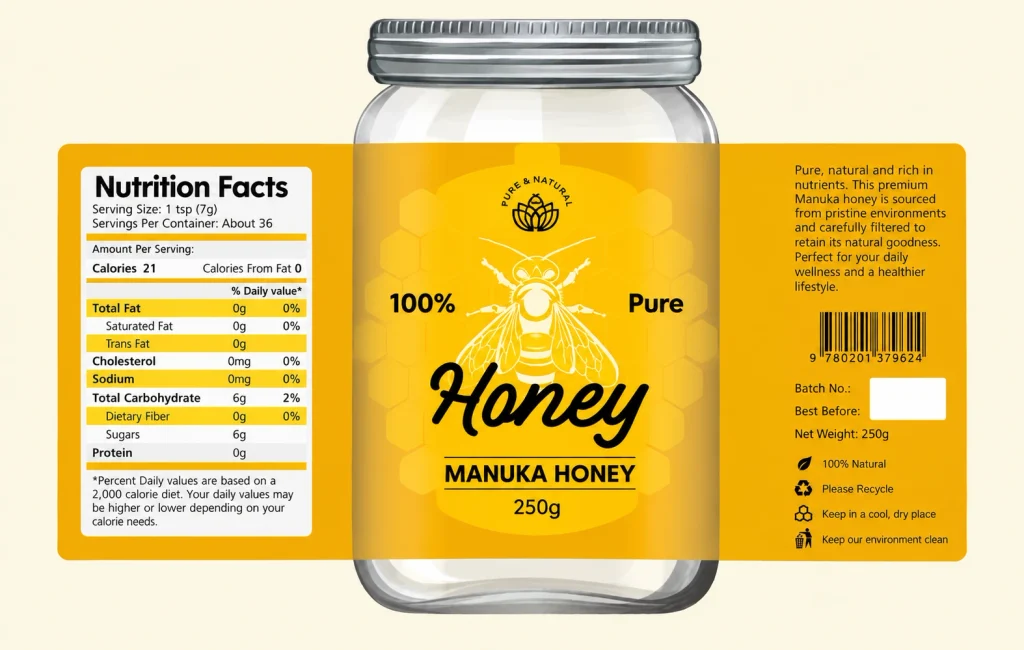
Look on the side or back label, near the UMF trademark itself. The license number is always 4 digits, nothing more, nothing less, which makes it easy to spot once you know the format.
Comvita’s license number is 1019, printed on their jars and listed publicly on UMFHA’s own certified brands page. See how Comvita ranks against other top Manuka brands if you’re still deciding which jar to buy in the first place.
Step 2: Look It Up on the UMFHA Certification Search
Go to umf.org.nz and use the certification search tool. Enter the 4-digit license number, and it returns whether that number is currently registered to an active licensee, and to which brand.
Checking Comvita’s 1019 returns a match tied to Comvita directly, confirming the license is real and current. UMFHA operates independently of the New Zealand government, but licensees are also typically registered exporters under MPI (Ministry for Primary Industries), which is a separate check worth knowing about, not a substitute for this one.
Step 3: Find the Batch Number on the Jar
This is a different number from the license number, also usually on the back or side of the jar, but don’t confuse the two. Where the license number is a fixed 4 digits, the batch number can run 3 characters or longer and may mix numbers, letters, symbols, and spaces depending on the brand’s own batch-coding system.
Step 4: Read What the Batch Certificate Confirms
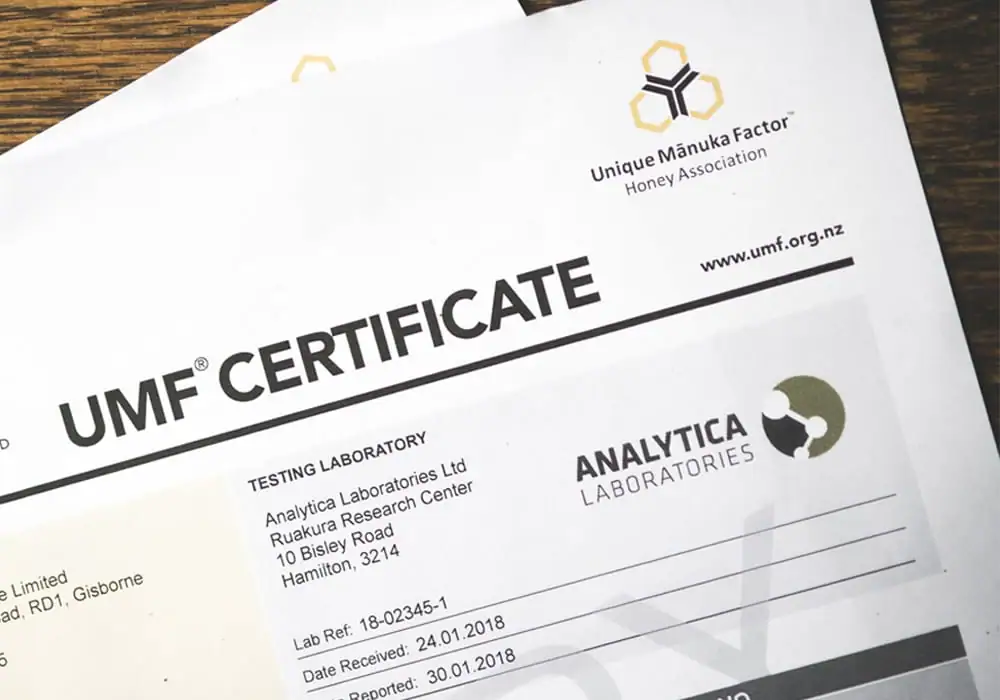
With both numbers in hand, you can request or access a batch certificate for that specific jar, either through the brand directly or by asking UMFHA to confirm a release certificate matching the license and batch numbers. This is the document that actually shows what was tested, not just the headline grade.
A real certificate lists methylglyoxal, leptosperin, and DHA levels for that batch, along with HMF as a freshness check. Some certificates also reference NPA if the brand tracks it separately.
One thing I won’t state as a general fact: some verification documents can include a QR code you scan to confirm the release certificate matches, but I haven’t confirmed this is a standard feature across every brand’s jars rather than something included on the certificate document itself after you request it. Treat a QR code as a nice-to-have if you find one, not something to expect on every jar.
FAQ
What if I can’t find a license or batch number on my jar?
Check the back and side labels carefully first, they’re often in small print near other certification marks. If you genuinely can’t find either number, UMFHA’s own guidance is to email them directly rather than assume the jar isn’t real, since some legitimate packaging places this information in less obvious spots.
Does every Manuka jar have a UMFHA license to check?
No. A Wedderspoon jar labeled with KFactor instead of UMF won’t have a UMFHA license number at all, since KFactor is a separate, pollen-count-based system, not a UMF license. That’s a different kind of legitimate labeling, not a red flag, it just means this specific lookup process doesn’t apply to that jar. See the full comparison of UMF, MGO, KFactor, and NPA if you want to understand how the different systems relate to each other.
How long does this whole process take?
A few minutes once you know where to look. Finding both numbers on the jar is the slowest part the first time, the actual UMFHA search takes seconds, and requesting a full batch certificate, if you want to go that far, is the only step that involves waiting on a reply from the brand or UMFHA. Once a jar checks out, here’s where to actually buy without overpaying.